AI Companion Apps: Opportunity or Saturated Market in 2026?
Honest breakdown of the AI companion app market 2026 — which niches are crowded, where real white space remains, and how to build one that wins.

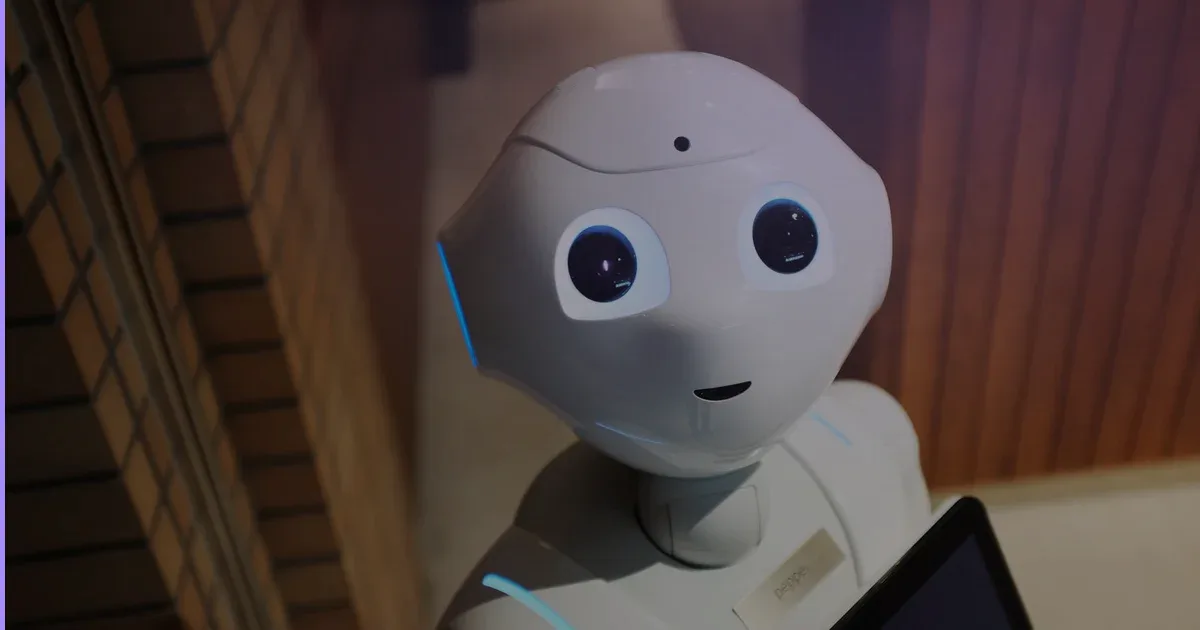
The phrase “AI companion app” covers a wide range of products — emotionally supportive chat partners, culinary assistants, fitness coaches, language tutors. What they share: an AI that knows you, adapts to you over time, and shows up whenever you need it. That premise has drawn serious investment from large platforms and independent studios alike.
Founders frequently ask us whether the AI companion app market in 2026 still has room for new entrants. The short answer: the generic space is crowded, but several well-defined niches remain genuinely open. Below we break down which is which, what it costs to enter, and how to position a new product for sustainable growth.
Why the AI Companion Boom Happened
Three forces converged over the past two years to make AI companion apps commercially viable at scale.
Models got good enough to feel real. Current on-device and cloud-based language models maintain long-term memory, reflect a user’s communication style, and respond in a way that feels genuinely contextual. The uncanny-valley problem has mostly been solved for text-based interaction.
Distribution costs fell. With iOS and Android ecosystems mature, a well-positioned companion app can acquire users at a reasonable cost — especially in underserved niches with strong word-of-mouth.
Subscriptions normalised the business model. Users are comfortable paying $9–$20 per month for software that delivers ongoing personal value. That recurring revenue structure makes companion apps attractive businesses.
The result is a market that rewards founders who understand which problems the format solves best.
Which Niches Are Already Saturated
Before chasing opportunity, map the overcrowded zones.
General-purpose emotional companions. Apps offering an “always-there friend” with no domain focus face brutal competition from well-funded players with years of data and deep personalisation. Building a generic AI friend and expecting organic traction is a hard road.
Romantic and relationship simulation. This category was an early breakout and has since attracted regulatory scrutiny alongside fierce competition. Differentiation is nearly impossible without a very specific cultural or demographic angle.
Generic AI tutors. Standalone “study with AI” apps without subject-matter depth are losing ground to platform-native AI features inside existing education tools.
The common pattern across these crowded niches: broad scope, low domain expertise, and no structural reason for a user to choose your product over an entrenched alternative.
Where White Space Remains in 2026
The real opportunity in the AI companion app market in 2026 lies in domain-specific companions — apps that pair the adaptability of an AI companion with deep expertise in a narrow problem space.
Wellness and Chronic Condition Support
An AI companion built around managing Type 2 diabetes, anxiety, or ADHD is fundamentally different from a generic wellness chatbot. Users in this space have high willingness to pay, low tolerance for generic advice, and strong word-of-mouth within condition-specific communities. Regulatory requirements add friction that limits competition from casual entrants.
Professional and Skills Companions
A companion for first-time managers, sales professionals, or developers shifting stacks combines coaching, accountability, and just-in-time knowledge in a way that has no obvious incumbent today. The enterprise channel also unlocks B2B revenue alongside the consumer subscription.
Culinary and Lifestyle Domains
We understand this area well — we built Clove AI, our AI smart-kitchen assistant. Clove learns your dietary preferences, suggests recipes based on what is in your fridge, and adapts to your cooking skill over time. Building Clove taught us that domain focus drives strong daily habits and low churn: users open a culinary companion before dinner nearly every day, while a generic AI gets opened twice a week at best.
Hyperlocal and Language-Cultural Companions
Companions designed for specific language groups or geographic markets remain largely untouched by large Western players. CIS markets, South-East Asia, and MENA all have underserved users who respond strongly to culturally native AI — and we serve several of those markets directly.
What It Actually Costs to Build One
Here is what founders should budget in 2026:
| App Type | Build Cost | Timeline |
|---|---|---|
| Simple MVP (text chat, basic memory) | $5,000 – $15,000 | 2 – 4 months |
| Standard companion (personalisation, subscriptions) | $15,000 – $45,000 | 4 – 7 months |
| Complex (on-device AI, real-time voice, multi-modal) | $45,000 – $120,000+ | 7 – 12 months+ |
Hourly rates vary by partner: a large agency charges $150–$250/hour; a specialist boutique studio like ours works at $60–$120/hour; individual freelancers range from $20–$60/hour but carry coordination risk on complex AI projects.
The cost founders most often underestimate is ongoing model and infrastructure spend. A companion with long-term memory and real conversational volume carries real backend costs — budget at least 15–25% of your build cost per year for maintenance and AI inference.
Five Questions to Ask Before You Build
Use this checklist to pressure-test your idea before committing budget:
- What does your companion know that a generic LLM does not? Domain data, curated content, or a fine-tuned model is what creates a moat.
- Why will users come back tomorrow? Retention is the core metric for companions. Define the daily or weekly ritual your app fits into.
- Who is paying, and how much? Map willingness-to-pay for your target audience before you build, not after.
- How do you handle safety and trust? Companion apps carry emotional responsibility. Have a content policy and escalation path from day one.
- What is your distribution advantage? Community, partnership, or a niche channel beats paid acquisition for early-stage companion apps.
The Trends Shaping the Next 18 Months
If you are building for the AI companion app market in 2026, these forces will define the landscape:
- On-device AI is becoming standard. Local processing improves privacy, reduces latency, and enables offline use — users increasingly expect this for anything personal.
- AI agents, not just chatbots. A companion that takes actions — add items to a shopping list, set a reminder, book a resource — is meaningfully more valuable than one that only talks.
- Privacy as a feature. Apps that store data locally or give users genuine control command premium pricing and stronger trust.
- Subscription deepening. The market is moving toward companions that expand capabilities across tiers — a free tier to establish the habit, then a meaningful upsell for power users.
Common Questions
Is the AI companion app market too competitive to enter in 2026? The generic market is very competitive. Domain-specific companions — focused on a professional, health, lifestyle, or cultural niche — face far less competition and often show higher retention and willingness to pay.
How do I protect my companion app from being copied by a larger player? Through domain depth, community, and data — not technical novelty alone. A large platform can replicate an interface; it cannot easily replicate curated domain knowledge, a trusted community, or years of behavioural data from niche users.
Can I launch a companion app as an MVP without building everything at once? Yes, and you should. A well-scoped MVP at $5–15k can validate retention and willingness-to-pay before you invest in advanced features. Define one core ritual, ship it, and measure. See our work for examples.
What to Do Next
The AI companion app market in 2026 rewards founders who build with specificity — a defined user, a defined daily problem, and a companion that genuinely earns its place in someone’s routine. Generic is crowded; focused is wide open.
At Fera Tech, we have shipped 12+ apps on the App Store, including AI-integrated products across health, lifestyle, and productivity. If you have a companion app concept and want an honest assessment of its feasibility, cost, and differentiation potential, reach out to us — we will give you a straight answer before you commit any budget.
Browse our services to see how we scope AI-integrated iOS and cross-platform builds, or visit Clove AI to see a domain-specific AI companion built well. More AI product strategy on our blog.
Building something like this?
Fera Tech ships iOS & full-stack apps end-to-end. Tell us about your project.
Start a project