App Subscriptions vs One-Time Purchase: Which Makes More Money?
A data-backed guide to app subscription vs one-time purchase monetization — pick the right model before you build and maximize long-term revenue.

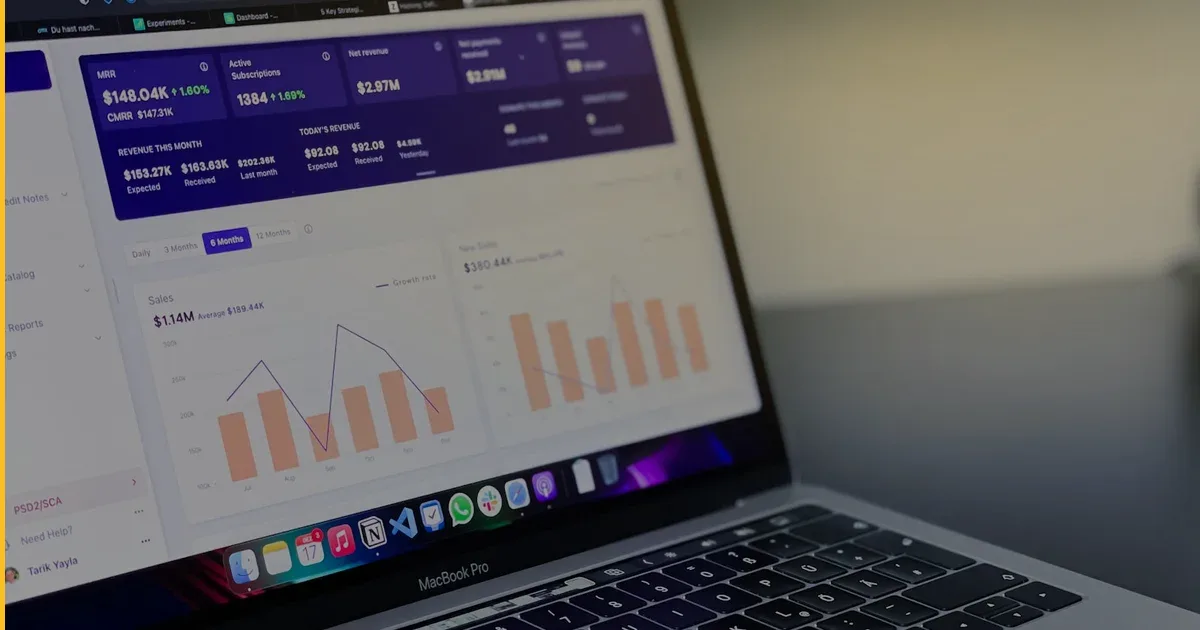
Before a single line of code is written, one decision quietly determines how much money your app will ever make: how you charge for it. App subscription vs one-time purchase monetization is not a minor detail to figure out later — it shapes your entire product roadmap, your retention strategy, and ultimately whether the business grows or stagnates. Founders who get this right in the planning stage consistently outperform those who bolt on a pricing model after launch.
This guide gives you a direct, honest comparison so you can choose with confidence — before you build.
How Each Model Actually Works
One-Time Purchase (Paid Upfront)
The user pays once to own the app forever. Revenue arrives at the moment of download. After that, you earn nothing from that user unless you release a new paid version.
This model was the default for the first decade of the App Store. It still works for a narrow set of apps — but the economics have shifted against it for most categories.
Subscription (Recurring Revenue)
The user pays weekly, monthly, or annually to keep accessing the app. Revenue is smaller per transaction but compounds over time as your user base grows. Apple takes 30% of the first year of a subscription, dropping to 15% from year two onward.
Subscriptions dominate the top-grossing charts across nearly every category — health, productivity, finance, utilities, and AI tools.
Freemium (Hybrid)
Free to download, with a subscription or one-time in-app purchase unlocking premium features. This is the most common structure in 2026 because it lowers the barrier to first install while still capturing revenue from engaged users.
The Core Trade-Off: Cash Now vs Cash Forever
| Factor | One-Time Purchase | Subscription |
|---|---|---|
| Revenue per user | High (single payment) | Lower per period, higher lifetime |
| Predictability | Unpredictable, tied to new downloads | Predictable monthly recurring revenue (MRR) |
| User commitment | Low (paid once, done) | Higher (ongoing value exchange) |
| Churn risk | None after purchase | Real — users cancel if value fades |
| Valuation multiple | Low (no recurring base) | High (investors pay 5–10× ARR for SaaS/apps) |
| Best for | Tools with one clear job | Apps that deliver ongoing, evolving value |
The single biggest reason founders now default to subscriptions is the valuation gap. A subscription app generating $20k/month in MRR is worth multiples more than a paid app generating the same gross revenue from downloads — because the income is predictable and the user base is defensible.
When a One-Time Purchase Still Wins
Subscriptions are not always the right answer. There are genuine cases where a paid upfront model outperforms:
- Utility apps with a single, finite job. A unit converter, a sleep sound generator, a one-off document scanner — something the user opens occasionally and gets full value from immediately. There is nothing more to deliver month after month.
- Professional tools sold to businesses. Enterprise buyers sometimes prefer a capital expenditure over a recurring line item on the budget. A one-time license at $299 can close faster than a $29/month conversation.
- Premium games. Premium games (not free-to-play) still convert well as one-time purchases when the experience is self-contained.
- Complementary companion apps. If the app is a companion to a physical product you sell, the purchase model aligns with the hardware transaction.
If your app fits none of these descriptions, subscriptions almost certainly produce better long-term economics.
When Subscriptions Win (Almost Always)
Subscriptions outperform one-time purchases whenever your app delivers ongoing, evolving value — which describes the vast majority of consumer and business apps:
- Content apps (news, learning, meditation, recipes) — new content is the product.
- AI-powered apps — model costs are real and recurring; subscriptions fund them sustainably. Our Clove AI kitchen assistant is a clear example: every query hits an AI model, which makes a recurring pricing structure the only financially sound option.
- Fitness, health, and habit apps — motivation and accountability are ongoing needs, not one-time needs.
- Productivity and workflow tools — users whose business depends on your app rarely cancel.
- Social and community apps — network effects compound with a retained user base.
Space and launch tracking works differently — Launchcast targets a highly passionate niche where premium lifetime access resonates strongly. Most apps, though, are not in that narrow category.
The Math: A Simple Scenario
Assume you launch an app and acquire 1,000 paying users in year one.
One-time purchase at $9.99:
- Year 1 revenue: ~$10,000
- Year 2 revenue: depends entirely on new downloads — the original 1,000 bring nothing more
- After Apple’s 30% cut: ~$7,000 net year one
Subscription at $4.99/month (assume 60% annual retention):
- Year 1 MRR at month 12: $4,990 — cumulative year 1 revenue: ~$38,000
- Year 2: retained users plus new sign-ups continue compounding
- After Apple’s 15% cut from year two: net margins improve over time
The subscription model generates roughly 3–4× more revenue from the same acquisition event, and that gap widens every year you retain users.
Pricing Levels That Actually Convert in 2026
Based on apps we have shipped across our portfolio, these price points convert well on the App Store today:
- Entry tier: $2.99–$4.99/month or $14.99–$24.99/year — broad consumer utility apps
- Mid tier: $7.99–$12.99/month or $49.99–$79.99/year — productivity, health, AI tools
- Pro/business tier: $19.99–$29.99/month or $99.99–$149.99/year — professional tools, B2B utilities
- One-time purchase: $2.99–$9.99 for simple utilities; $19.99–$49.99 for professional tools
Annual subscriptions convert at lower rates than monthly but retain far better — and they are better for your cash flow. Offering both monthly and annual, with a clear discount (e.g., “Save 40% with annual”), is standard practice.
What This Means for Your Build Budget
Your monetization model should influence how you scope the MVP:
- A subscription app needs a polished onboarding flow, a paywall that converts, and a value loop compelling enough to justify renewal. Budget for this. A standard iOS subscription app typically runs $15,000–$45,000 to build properly; an AI-powered one starts around $45,000.
- A one-time purchase app can be leaner — the conversion happens once at install. But without recurring revenue, marketing costs to acquire new users never stop.
See our services for a full breakdown of what each build tier includes.
Common Questions
Can I switch from one-time purchase to subscriptions after launch? Yes, but it is painful. Existing users who paid once will resist paying again, and negative reviews often spike during the transition. It is far better to launch with the right model than to migrate later. If you are uncertain, start with freemium and a subscription unlock — this keeps your options open.
Does Apple favor subscription apps in the App Store? Not directly in search ranking. But subscriptions give you a financial incentive to invest in retention, which improves engagement metrics — and engagement signals do influence App Store visibility over time.
What if my audience resists subscriptions? Some categories (games, simple utilities, older demographics) do show subscription fatigue. The solution is usually a strong annual plan with a significant discount, or a “lifetime access” one-time option priced at 2–3× the annual subscription. Lifetime deals convert a segment that would otherwise churn, without undermining the subscription base.
Choose Before You Build
The monetization model is not something you layer on at the end of development. It determines your feature set, your onboarding design, your paywall placement, and your long-term unit economics. Getting it wrong costs more than just revenue — it costs time, pivots, and user trust.
If you are still weighing your options or want to pressure-test your model before committing to a build, we can help. We have shipped subscription, one-time, and hybrid monetization across 12+ live App Store apps and can quickly tell you what is likely to work for your specific use case.
Reach out and start the conversation — no obligation, just a practical discussion about what makes sense for your app.
Building something like this?
Fera Tech ships iOS & full-stack apps end-to-end. Tell us about your project.
Start a project