How to Get Your First 1,000 App Downloads
A practical, step-by-step playbook for reaching your first 1000 app downloads — from App Store optimization to early community tactics that actually work.

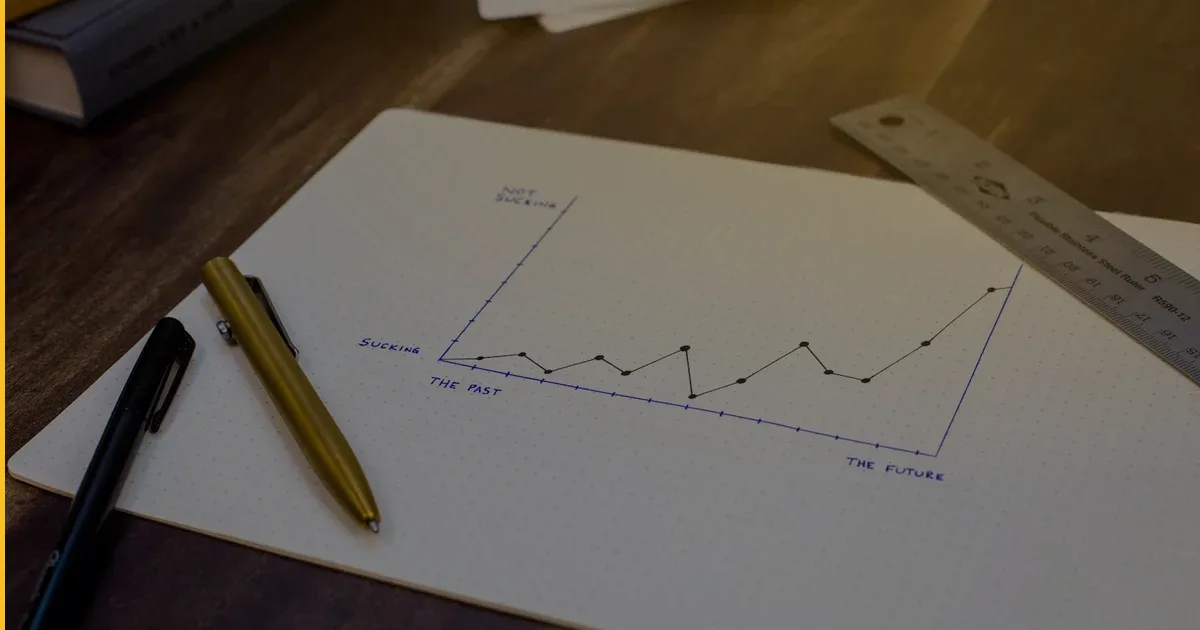
Getting your first 1,000 app downloads is a milestone that most apps never reach — not because the product is bad, but because the launch strategy is either non-existent or copied from advice that worked in 2018. This guide is the playbook we use with the apps we ship at Fera Tech: low-budget, high-leverage moves that get real users in the door before you spend a single dollar on paid advertising.
Why 1,000 downloads is the right first goal
A thousand downloads sounds modest compared to viral benchmarks, but it is the number that actually changes your trajectory:
- Enough data to make decisions. With 1,000 installs you can measure Day-1, Day-7, and Day-30 retention, find crash-prone devices, and identify which onboarding screens cause drop-off.
- Social proof kicks in. Reviews, ratings, and a visible download count make the next thousand easier to earn.
- Investor and partner conversations get easier. “We have 1,000 engaged users” is a concrete proof point that a prototype or mock-up is not.
The tactics below are sequenced roughly by effort-to-impact ratio. Start at the top and work down.
1. Win the App Store listing before you launch
App Store Optimization (ASO) is free and permanent. A poor listing wastes every marketing effort you layer on top of it.
- Title and subtitle: Put your primary keyword in the title itself, not buried in the description. Apple’s algorithm weights the title heavily.
- First three lines of the description: Most users never tap “more.” Use the visible preview to state the core benefit, not the feature list.
- Screenshots: Treat them as a six-panel ad. Lead with the outcome (“Track every rocket launch in real time”), not a literal screenshot of the UI.
- Keywords field: 100 characters, no spaces between terms, no repeating words already in your title or subtitle. Research competitors and fill every character.
Tip: Check your main competitor’s reviews for words users naturally use to describe what the app does. Those are your real keywords — not the ones you invented in a product meeting.
The App Store is a search engine. If you build for iOS with us, ASO review is baked into the launch checklist.
2. Launch to a warm audience first
The App Store algorithm notices early velocity: how many downloads, ratings, and sessions you get in the first 48–72 hours after launch. The fastest way to spike that number is to have people waiting before you publish.
Build a pre-launch list of at least 200–300 people using:
- A simple waitlist page — one headline, one input, one button. Tools like Tally or a Supabase-backed form take under an hour to build.
- Personal outreach. Email or message everyone you know who fits the user profile. Not a mass blast — individual notes. Conversion is 3–5× higher.
- Reddit, Discord, and Telegram communities in your niche. Post a “building in public” update, not a download link. Genuine participation in the thread converts far better than spam.
When you flip the App Store switch, email the list the same hour. Ask specifically for a rating, not just a download. A single sentence — “If it’s useful, a quick rating takes 10 seconds and helps other people find it” — meaningfully lifts review volume.
3. Chase press and niche publications early
Tech journalists get hundreds of pitches. App-specific newsletters and niche blogs get far fewer, and they convert better because their readers are already looking for the thing you built.
Find 10–20 relevant newsletters, Substack publications, or YouTube channels. Offer the writer early access and a short demo call. Many will cover an interesting indie app for free, especially if it genuinely solves a problem for their audience.
For consumer apps targeting Uzbekistan or the broader CIS market, local tech communities and Telegram channels dedicated to startups are disproportionately effective. The bar for coverage is lower and the audience is tightly targeted.
4. Use social media as a content machine, not a broadcast channel
Organic social works for apps when the content is useful on its own — not when every post is “download my app.”
Formats that reliably attract attention:
- Short screen recordings showing a single interesting interaction. Post to TikTok, YouTube Shorts, and Instagram Reels. Even 5,000 views on a niche video can produce 200–400 installs.
- Behind-the-scenes build content. Showing the design or engineering process attracts developers, founders, and journalists — people who share things.
- Problem-first content. Write a thread or post about the problem your app solves without mentioning the app until the last line. The algorithm rewards content that gets engagement before it looks like an ad.
Consistency beats virality. Two posts a week for six weeks produces better cumulative results than one viral post and silence.
5. Leverage Product Hunt and similar launch platforms
Product Hunt is not a guaranteed hit, but a well-prepared launch on a slow Tuesday can reliably drive 300–600 installs in a single day.
What “well-prepared” means in practice:
- Post between midnight and 1 a.m. Pacific Time on a Tuesday, Wednesday, or Thursday (weekends and Mondays are crowded).
- Have at least 50 people ready to upvote and comment in the first two hours — these come from your warm audience list.
- Write a genuine Maker’s comment explaining why you built it. The Product Hunt audience responds to honesty.
- Reply to every comment within the first six hours. Active threads rank higher.
Similar platforms: Indie Hackers (for developer-facing tools), Hacker News Show HN (higher variance, very high upside), AppFollow, and AlternativeTo.
6. Make sharing frictionless inside the app
Paid acquisition can come later. In the early stage, referral and word-of-mouth are your leverage. Build sharing in from day one:
- An in-app share sheet triggered after a satisfying moment (task completed, goal hit, streak reached) converts far better than a modal that appears on launch.
- A “Share with a friend” flow that pre-populates a short App Store link with a brief message takes under a day to implement and can meaningfully inflate organic installs.
- If your app has any social or collaborative element, make the shared output itself attractive — a screenshot or summary card that looks good when someone posts it to Instagram or Telegram.
What this looks like in a realistic timeline
| Week | Focus | Expected downloads |
|---|---|---|
| –4 to –1 (pre-launch) | Waitlist, warm outreach, ASO polish | 0 (building the list) |
| Launch week | Email list, Product Hunt, early press | 200–400 |
| Weeks 2–4 | Social content, community engagement, niche newsletters | 200–300 |
| Weeks 5–8 | Referral loops, iterate on ASO using search data, repeat content | 300–500 |
These ranges assume a focused effort with no paid budget. With even $500–1,000 in targeted social ads, the timeline compresses significantly.
The mistake that kills early growth
The most common growth failure we see after shipping an app is the “launch and wait” pattern. Founders spend months building, publish to the App Store, post once on Instagram, and then wonder why downloads flatline. The App Store does not surface new apps by default — you have to bring the first wave of users yourself.
Growth in the early stage is not a marketing problem; it is a distribution problem. Your product does not need to be perfect. It needs to be findable, shareable, and worth talking about.
If you are at the stage of validating whether to build at all, or want a studio that ships and then helps you think through launch, reach out — we would be glad to talk.
Building something like this?
Fera Tech ships iOS & full-stack apps end-to-end. Tell us about your project.
Start a project