Food Delivery App Features That Actually Drive Orders
A practical food delivery app features checklist for founders — what separates Uber Eats clones from apps that retain customers and grow revenue.

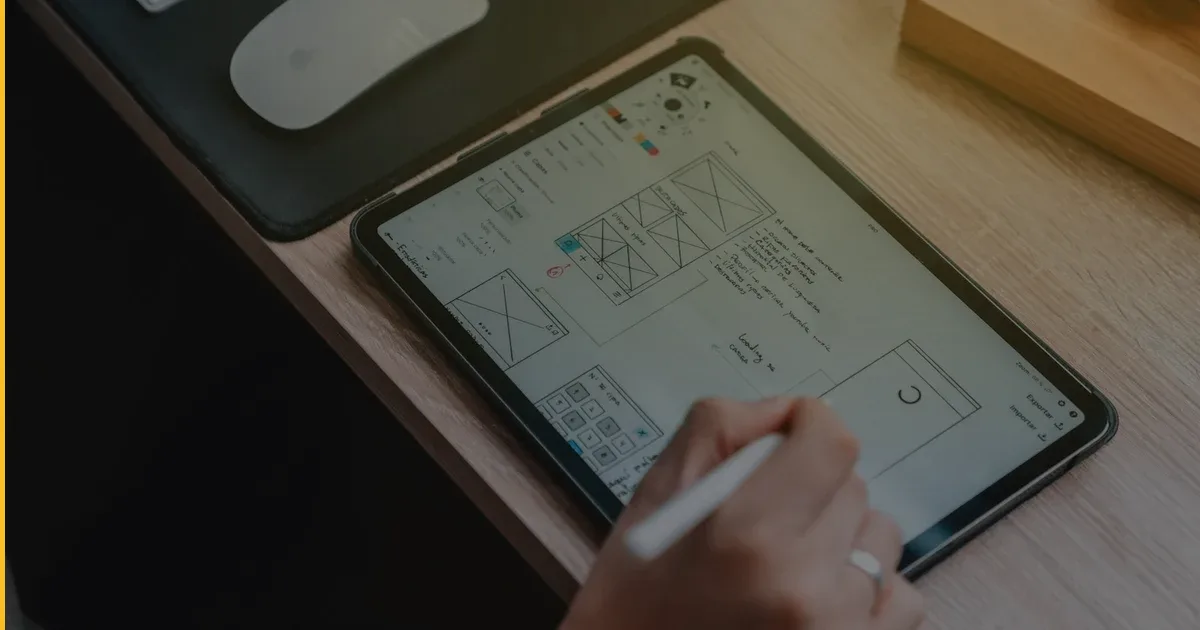
Every founder who wants to build a food delivery app starts in the same place: they open Uber Eats, jot down what they see, and hand a list to a development team. The result is usually a slow clone that acquires a few hundred users and then flatlines. The food delivery app features that matter are not the ones you can screenshot — they are the ones that quietly drive repeat orders, reduce churn, and make your unit economics work.
This post is a practical checklist for restaurant owners, dark kitchen operators, and startup founders who are deciding what to build, what to skip, and where to spend their development budget wisely.
Why Most Food Delivery Apps Fail to Retain Customers
The delivery market is brutally competitive. Even if you carve out a local niche, customers will switch apps for a single bad experience: a wrong order, a confusing checkout, or a push notification at 11 p.m. announcing a discount for a restaurant that closed two hours ago.
Retention, not downloads, is the metric that matters. Apps that grow sustainably have three things in common:
- Fast checkout — fewer taps between craving and confirmation
- Accurate, real-time tracking — customers who know where their food is cancel far less often
- A reason to come back — loyalty mechanics, saved preferences, and personalisation
Everything else is table stakes.
The Core Feature Checklist
Use this as a scope filter. Features in the “must-have” column are table stakes for launch. Features in the “growth” column are what you prioritise in month four, not month one.
| Feature | Must-Have at Launch | Growth Phase |
|---|---|---|
| Guest checkout + social login | Yes | — |
| Real-time order tracking (map) | Yes | — |
| Push notifications (order status) | Yes | — |
| In-app payments (card, Apple Pay) | Yes | — |
| Menu management for restaurants | Yes | — |
| Order history and reorder | Yes | — |
| Ratings and reviews | Yes | — |
| AI-powered recommendations | — | Yes |
| Loyalty / rewards programme | — | Yes |
| Scheduled delivery | — | Yes |
| Group ordering | — | Yes |
| Subscription (free delivery pass) | — | Yes |
Features That Directly Increase Order Frequency
1. One-Tap Reorder
The single highest-ROI feature in any delivery app is a prominent “reorder” button on past orders. People are creatures of habit. A customer who reorders their regular lunch without browsing is three times less likely to switch to a competitor app that day. Build this at launch — it costs almost nothing in development time but compounds over months.
2. Smart Push Notifications (Not Blast Campaigns)
Generic “20% off today only!” blasts drive uninstalls. What works is contextual timing: a notification at 12:15 p.m. based on a user’s past lunchtime orders, or a reorder reminder for a restaurant they visit every Friday. In 2026, this level of personalisation is achievable with on-device ML and basic behavioural triggers — it does not require a data science team.
3. Saved Addresses and Preferences
Asking a user to type their delivery address on every order is a guaranteed drop-off point. Saved addresses, with a “Home” / “Work” label and automatic default selection based on time of day, remove friction exactly where customers abandon the most.
4. Real-Time Tracking With Honest ETAs
Live tracking is expected. What most apps get wrong is the ETA. Optimistic estimates (“15 minutes”) that turn into 40-minute waits destroy trust faster than any competitor. Build ETAs that are conservative and update in real time. Customers tolerate delays; they do not tolerate being misled.
Features That Drive Higher Average Order Value
Upsells and Suggested Add-Ons at the Right Moment
The checkout screen — after the customer has already committed to an order — is the right place for a “customers also ordered” suggestion. Not a pop-up on the menu page, not a banner at the top. A contextual, non-intrusive suggestion at checkout converts at 15–25% without feeling pushy.
Subscription Passes (Free Delivery for a Monthly Fee)
DoorDash’s DashPass is the clearest proof point: subscribers order more often and spend more per order because the delivery fee friction is gone. For a regional or niche delivery app, a flat-fee subscription at $7–12/month changes the customer’s entire relationship with the app. This is a growth-phase feature, but plan for it architecturally from day one.
Group Ordering
If your app targets office workers, university campuses, or co-working spaces, group ordering is a multiplier. One person initiates an order; teammates add their items before a cutoff time. Average order values spike and you acquire multiple users from a single checkout event. It is complex to build well — budget for it in a second major release, not an MVP.
The Restaurant Side: Features Operators Actually Need
A delivery app is a two-sided marketplace. The consumer experience gets all the design attention, but the restaurant or kitchen operator panel is what determines whether your supply side stays healthy.
Operators need:
- Real-time order notifications with a loud, persistent alert (tablet or dedicated device) — missed orders are revenue lost on both sides
- Menu editing without a developer — an operator who cannot update prices or mark items as sold out will abandon your platform
- Prep time controls — the ability to add time to an order in progress reduces bad reviews caused by your kitchen’s busiest moments
- Daily payout reports — clear breakdowns of orders, commissions, and net earnings build trust and reduce support tickets
If your app’s operator panel is harder to use than a WhatsApp group, you will haemorrhage restaurant partners.
What to Cut From Your First Version
Founders routinely over-scope MVPs. These features feel essential but should wait:
- Live chat between customer and driver — adds support complexity; real-time tracking solves 90% of the same anxiety
- In-app tipping — valuable, but adds payment flow complexity; launch without it
- AR menu previews — genuinely cool, rarely used; save it for a marketing moment in year two
- Social sharing / referral programme — growth mechanics only compound on top of a product customers already love
Ship a tight v1, learn what your actual customers value, then invest.
What It Costs to Build a Food Delivery App in 2026
Based on current market rates, here is a realistic budget range:
| Scope | Timeline | Cost Range |
|---|---|---|
| MVP (single city, basic features) | 3–4 months | $15,000 – $35,000 |
| Standard (multi-restaurant, tracking, loyalty) | 5–7 months | $35,000 – $75,000 |
| Complex (AI recommendations, live tracking, group orders) | 8–12+ months | $75,000 – $120,000+ |
Boutique studios typically charge $60–120/hour; large agencies bill $150–250/hour. An experienced iOS-first team that has shipped marketplace apps will move faster and make fewer expensive architectural mistakes than a generalist freelancer. See our work for examples of what we’ve shipped across similar two-sided marketplace products.
Common Questions
Do I need a custom app, or can I use a white-label platform? White-label platforms (like those built on existing delivery SaaS) are faster to launch but impossible to differentiate on. If your market position depends on a specific cuisine niche, a loyalty mechanic, or a unique operator experience, you will outgrow a white-label solution within 12 months. Custom development makes sense once you have validated demand.
Should I build iOS-first or cross-platform? For consumer-facing delivery apps, iOS-first lets you ship faster and hit the higher-spending demographic in most Western and urban markets. Cross-platform (React Native or Flutter) is a reasonable choice if your budget is tight and your team cannot support two native codebases. We build both — the right answer depends on your specific market and timeline.
How important are AI features at launch? AI recommendations and smart notifications are growth-phase features, not launch requirements. The one exception: if your app is built around a specific diet, cuisine, or wellness angle (as we explored with Clove AI, our AI kitchen assistant), AI can be a core differentiator worth investing in from day one.
Build What Retains, Not What Impresses
The food delivery apps that win are not the ones with the most features — they are the ones with the fewest points of friction. A reorder button, an honest ETA, and a clean checkout flow will drive more revenue than a feature list that looks impressive in a pitch deck.
If you are planning a food delivery app and want a frank assessment of what to build first, what it will cost, and how long it will take, get in touch with us. We work with founders from initial scope through to App Store launch — and we have shipped enough marketplace and delivery-adjacent products to tell you early what will and won’t work for your specific model.
Explore our services or browse past work to see how we approach product scoping. You can also read more on the blog for related guides on app costs, timelines, and feature strategy.
Building something like this?
Fera Tech ships iOS & full-stack apps end-to-end. Tell us about your project.
Start a project