How Much Does an iOS App Cost in 2026? A Business Guide
Plain-English breakdown of iOS app development cost 2026 — from $5k MVPs to $120k+ enterprise builds, with the factors that actually move the budget needle.

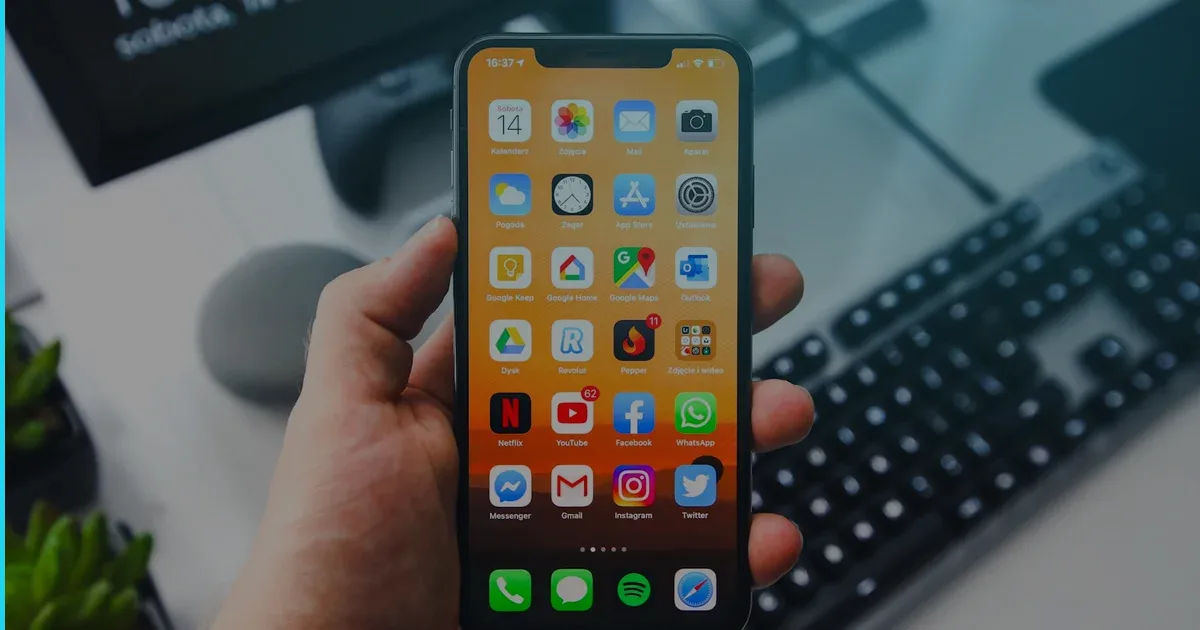
If you’ve ever Googled “iOS app development cost 2026” you’ve seen numbers that range from $5,000 to $500,000 with little explanation. The truth is that both ends of that range are accurate — for very different apps, teams, and ambitions. This guide breaks down what you’ll actually pay, why prices differ so much, and how to think about your own budget before you talk to a single developer.
The short answer: three cost tiers
Before diving into details, here is the map most founders need:
| App Type | Typical Budget (USD) | Timeline |
|---|---|---|
| Simple MVP (basic screens, one core workflow) | $5,000 – $15,000 | 2 – 4 months |
| Standard app (custom UI, API integrations, user accounts) | $15,000 – $45,000 | 4 – 7 months |
| Complex app (AI features, real-time data, enterprise scale) | $45,000 – $120,000+ | 7 – 12+ months |
These ranges reflect 2026 market rates from experienced iOS teams. They assume a complete, App Store-ready product — not a throwaway prototype.
What actually drives the cost up (or down)
The biggest mistake founders make is focusing on the app’s feature list rather than the technical decisions behind each feature. Here are the real cost levers:
1. Scope and number of screens
Every screen needs design, development, and testing. A simple booking app might have 10–15 screens. A marketplace with buyer and seller flows, search, messaging, and payments can easily reach 50+. More screens = more weeks = more budget.
2. Third-party integrations
Connecting to payment gateways (Stripe, Apple Pay), mapping services, analytics, or your existing business systems adds meaningful time. Each integration has its own quirks, authentication flows, and edge cases to handle. Budget at least one to two weeks per non-trivial integration.
3. Backend and API complexity
The iOS app is only half the picture. If your app stores user data, syncs across devices, or sends push notifications, you also need a backend. Some studios (including us) build full-stack — iOS plus the server layer — which simplifies coordination and often saves money versus hiring two separate teams. See our services for what that looks like in practice.
4. AI and real-time features
In 2026, AI is no longer an add-on — it’s increasingly the foundation of what makes an app worth downloading. On-device AI (running models directly on the iPhone without a server round-trip) and generative AI features (chat, voice, image processing) both add meaningful scope. Our own app Clove AI uses AI to act as a smart kitchen assistant; that kind of intelligence adds weeks of thoughtful engineering, but it’s also the reason users keep coming back.
5. Design quality
A generic, template-style UI is fast to build. A polished, brand-specific experience that feels premium in the hand takes longer and costs more — but it also converts better on the App Store and retains users longer. This is a deliberate investment, not a vanity expense.
6. Who builds it
The team you hire changes the number significantly:
| Provider Type | Hourly Rate (USD) |
|---|---|
| Large agency (US/EU) | $150 – $250 |
| Boutique studio | $60 – $120 |
| Freelance developer | $20 – $60 |
A big agency carries overhead — account managers, layers of approval, brand-name insurance. A boutique iOS-first studio like ours delivers senior-level work with direct access and lower overhead. Freelancers can be great value for narrow, well-defined work, but project management falls to you. See a comparison of agency vs freelancer vs in-house if you want to go deeper on this.
Hidden costs founders often miss
The quoted project price is rarely the total cost of ownership. Watch for:
- App Store fees: Apple charges $99/year for a developer account. Simple, but easy to forget when projecting year-one spend.
- Ongoing maintenance: iOS releases a major update every September. Budget 10–20% of initial build cost annually to keep the app current and running smoothly.
- Backend hosting: Cloud infrastructure (database, API servers, storage) runs $50–$500/month depending on user volume. Some providers offer generous free tiers to start.
- Post-launch iterations: Real users find things no wireframe anticipated. Your first post-launch sprint is almost guaranteed. Build a contingency of 15–20% into your initial budget.
- ASO and marketing: Getting on the App Store is not the same as being found on the App Store. App Store Optimization, screenshots, and early user acquisition are separate from development cost.
How to get a reliable quote
The single most important thing you can do before requesting proposals: write a one-page brief. It does not need to be technical. It should answer:
- What problem does the app solve, and for whom?
- What are the three to five features that make or break the experience?
- Does it need a backend, or can it work standalone on the device?
- Do you have existing branding, or does the studio need to create it?
- What does success look like at six months post-launch?
A studio that gives you a firm quote without asking these questions is guessing. A studio that asks them — and then gives you a range with clear assumptions — is one you can trust.
We’ve shipped 12+ apps to the App Store, from a premium space launch tracker (Launchcast) to client projects across the US, Europe, and Central Asia. The one thing every successful engagement had in common: the client came in with a clear problem to solve, not just a list of features to build.
When to start smaller
If your budget sits below $15,000, a full custom iOS app is a stretch — but your options are not zero. Consider:
- A focused MVP that does one thing exceptionally well, with plans to expand post-traction.
- A cross-platform build (React Native or Flutter) that covers iOS and Android at lower total cost, if you genuinely need both platforms from day one.
- A web app or PWA for validating the concept before committing to native development.
The goal at this stage is learning, not perfection. Build the smallest thing that lets real users tell you what they actually want.
Trends shaping iOS costs in 2026
A few forces are actively shifting the market this year:
- AI as a default feature: Users now expect personalization and intelligence. On-device AI with Apple’s Core ML and server-side generative AI (GPT-4 class models) are both mainstream. Building AI-powered features thoughtfully adds cost but dramatically improves retention.
- Subscription monetization: One-time purchase apps are rare. Subscriptions are the dominant revenue model, and they require additional backend logic (receipt validation, paywall management, trial flows).
- Privacy and App Store compliance: Apple’s privacy requirements, App Tracking Transparency, and data-handling rules add testing scope that wasn’t there three years ago.
- Performance expectations: Users raised on native Apple apps notice jank. Performance work — smooth animations, fast launch times, efficient battery use — is no longer optional for a four- or five-star rating.
Common questions
Can I get an iOS app built for under $5,000? Very simple utility apps or apps built on no-code platforms can fall below this mark. For a custom, App Store-quality product built by experienced iOS developers, $5,000–$15,000 is the realistic floor. Below that, you’re typically getting an offshore team with limited accountability or a stripped-down scope that will need significant rework.
Should I build for iOS only, or iOS and Android at the same time? Start where your users are. Most consumer apps in Western markets see 60–70% of early traction on iOS. Build native iOS first, validate the concept, then expand to Android or cross-platform once you have proof of demand. Trying to do both simultaneously on a tight budget usually means doing neither well.
How long does App Store review take? Apple’s review process typically takes 24–48 hours for a new submission. Allow an extra week in your timeline for back-and-forth if the reviewer requests clarifications — this is common on first submissions and apps with new permission types.
Budgeting an iOS app does not have to be a guessing game. The ranges in this guide reflect what experienced studios charge in 2026 for real, production-quality work. The factors that move the needle — scope, integrations, AI complexity, and team quality — are all things you can control before you write the first check.
If you have a product idea and want a straightforward conversation about what it would actually cost to build, reach out to us. We’ll ask the right questions and give you a range you can plan around — no sales pressure, no vague estimates.
Building something like this?
Fera Tech ships iOS & full-stack apps end-to-end. Tell us about your project.
Start a project