Micro-Influencer Marketing for Apps: The $500 Playbook
Learn how to use micro-influencer app marketing to lower your cost per install below any ad network — a practical $500 playbook for app founders.

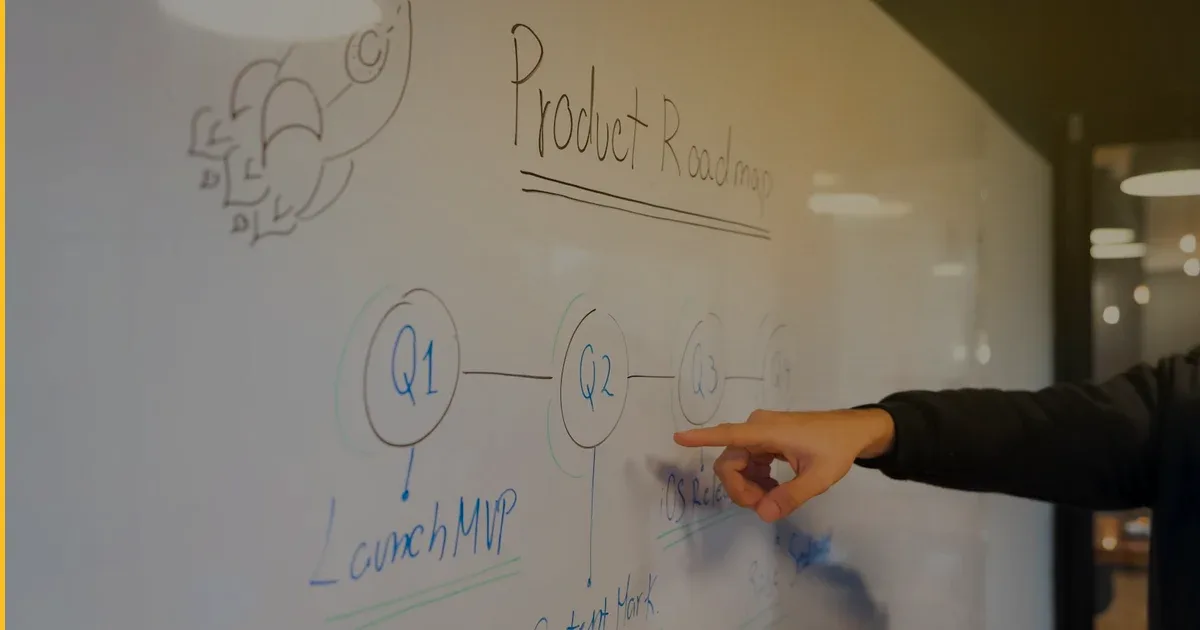
Paid ads for apps have never been more expensive. iOS privacy changes gutted targeting precision, CPIs on Meta and Google crept up, and most early-stage founders burn through their budget before they learn what even works. Micro-influencer app marketing offers a different path — and for under $500 you can run your first real experiment, acquire your first hundred users from warm audiences, and collect testimonial content that pays dividends for months.
This playbook is for founders and business owners who have a live (or almost-live) iOS or cross-platform app and want to grow without writing a blank cheque to an ad network.
Why Micro-Influencers Beat Ad Networks for Most Apps
A micro-influencer is a creator with between 10,000 and 100,000 followers in a defined niche. They are not household names. That is precisely the point.
| Metric | Major Ad Network | Micro-Influencer (10k–100k) |
|---|---|---|
| Typical CPI | $3–$12+ (post-ATT) | $0.50–$3 when well-matched |
| Audience trust | Low — ad-blind users | High — community relationship |
| Creative control | Template-driven | Authentic, voice-led |
| Minimum spend | $50–$500/day | $100–$300 per post |
| Attribution | Imprecise post-iOS 14 | Promo code or link tracks cleanly |
The math is straightforward: a micro-influencer with 30,000 followers in the right niche might get 2–5% of their audience to watch a story to the end and tap a link. That is 600–1,500 genuinely interested people at a cost that often comes in below what any ad network quotes for similar intent.
Volume and reach are not the goal here. Fit is.
Step 1 — Define the Niche Before You Search
The biggest mistake founders make is searching by follower count first. Start with the user you want.
Ask: where does my target user spend time online, and what content do they already consume? If you are launching a fitness habit app, you are not looking for generic fitness influencers — you are looking for people who specifically post about habit formation, morning routines, or accountability. That specificity is what creates conversion.
Write down three to five content themes your ideal user follows. These become your search terms.
Step 2 — Find 20 Candidates Without a Paid Tool
You do not need a $500/month influencer platform to start. Here is a free workflow:
- Search hashtags on Instagram and TikTok using your content themes. Look at who posts consistently, not just who has one viral video.
- Check engagement rate manually. Likes + comments divided by followers. Anything above 3–4% on Instagram or 5–8% on TikTok is healthy. High follower counts with sub-1% engagement are a warning sign.
- Read the comments. Are followers asking questions, tagging friends, and having real conversations? Or is it mostly emoji reactions from accounts with no profile photos?
- Look at their existing brand partnerships. Have they promoted apps before? Did the audience respond warmly or with scepticism?
- Check bio links. A Linktree or similar hub signals a creator who takes partnerships seriously.
Build a simple spreadsheet: handle, platform, follower count, engagement rate, content themes, contact email, and a notes column. Aim for 20 candidates before you reach out to anyone.
Step 3 — The Outreach Message That Gets Replies
Most cold DMs and emails from founders are ignored because they feel automated or generic. A short, specific message works better.
A message that works:
Hi [Name] — I’ve been following your posts on [specific topic]. We’ve just launched [App Name], an iOS app for [one-sentence description]. Your audience seems like a great fit. Would you be open to a paid partnership? I’m working with a modest budget — $100–$200 per post — but happy to share more details if it sounds interesting.
Three things this message does: it shows you actually follow them, it names a budget so neither side wastes time, and it is short enough to read in ten seconds. Send via email when possible; DMs get lost.
Target a 15–25% reply rate. If you are getting less, revise the message or tighten your candidate selection.
Step 4 — Brief Them Properly
A vague brief produces vague content. A good brief for a micro-influencer partnership covers:
- What the app does — one clear sentence, not a feature list
- Who it is for — be specific: “busy parents who want to meal plan in under five minutes” beats “health-conscious users”
- The key message — the single thing you want viewers to remember or feel
- The call to action — download link, promo code, or both
- Format and length — story only, feed post, reel, TikTok, or a combination
- What NOT to say — any claims you cannot support, competitor names to avoid
- Approval step — do you want to see the draft before it goes live? For apps, you almost always should.
Leave creative freedom within those boundaries. The influencer knows how their audience responds. If you script every word, you lose the authenticity that made the partnership worth doing.
Step 5 — The $500 Budget Allocation
Here is how to structure a first experiment across three to five creators:
| Allocation | Amount |
|---|---|
| 3 micro-influencers at $100–$150 per post | $300–$450 |
| Promo code discount (if applicable) | Built into product margin |
| Tracking link setup (free tools: Bitly, AppsFlyer free plan) | $0 |
| Reserve for a fourth creator or post boost | $50–$100 |
Do not spread $500 across ten creators at $50 each. You will not get quality content and many will not bother responding to a budget that low. Three well-chosen partners at a fair rate produce better data and better creative.
Set your success metric before the campaign starts. A reasonable target for a first run: 50–150 installs per creator post, with 20–40% day-seven retention as the quality check.
What Makes a Campaign Land — Patterns We Have Seen
Across the apps we have shipped and supported at Fera Tech — from consumer lifestyle tools to productivity apps — the campaigns that work share a common thread: the creator genuinely uses or understands the product. That means your candidate selection does more work than your copywriting.
For Launchcast, our space launch tracker, the right influencer audience is not “tech enthusiasts broadly” — it is people who follow actual rocket launch coverage on YouTube and social media. A creator with 18,000 followers in that niche outperforms one with 200,000 general science followers because the audience intent is aligned.
You can see more of the apps we have built and launched at /#work. The pattern holds across categories: niche fit drives installs, broad reach drives noise.
Measuring the Results
Track these four numbers after each post goes live:
- Installs from promo code or tracking link — direct attribution
- App Store page view spike — even organic discovery rises after a post goes live
- Day-7 retention of influencer-sourced users — compares quality against your other channels
- Cost per install (CPI) — total paid divided by attributed installs
If CPI comes in under $3 and day-7 retention is healthy, scale with that creator and find similar ones. If CPI is high but retention is strong, the audience fit is good — adjust the brief or format, not the relationship.
If both metrics are poor, the audience was wrong. Cut the partnership and revise your candidate profile.
Common Questions
Do I need a big app budget to work with micro-influencers? No. $300–$500 is enough to run a meaningful first test across three creators. The investment is low enough that even a single successful partnership pays it back quickly in lifetime value from acquired users.
Should I use an influencer marketplace platform? Not at first. Platforms like Creator.co or AspireIQ are useful at scale, but they add cost and curation overhead that is not necessary for a first $500 experiment. Manual outreach with a tight brief produces more personal, authentic results early on.
What if the influencer wants free app access instead of cash? This works well for apps with a compelling premium tier. Offer a free lifetime or extended subscription in addition to a modest fee — it shows confidence in the product and gives the creator a genuine reason to use it before posting. Never skip the brief in exchange for “organic” content.
Ready to Launch?
Micro-influencer app marketing does not require a growth team, a large budget, or years of experience. It requires a clearly positioned app, a tight brief, and the discipline to test with real data before scaling.
If you are still building your app — or want a second opinion on positioning and feature scoping before you go to market — our team works with founders at every stage. We ship iOS, cross-platform, and AI-integrated apps end-to-end, and we have seen what separates apps that grow from apps that stall. Read more strategy and growth content on the blog, explore our past work, or reach out directly — we respond to every message.
Building something like this?
Fera Tech ships iOS & full-stack apps end-to-end. Tell us about your project.
Start a project