Telegram Bot for Business in Uzbekistan: Complete Guide
Everything Uzbekistan business owners need to know about building a Telegram bot: costs, payments, CRM, AI, and real ROI patterns.

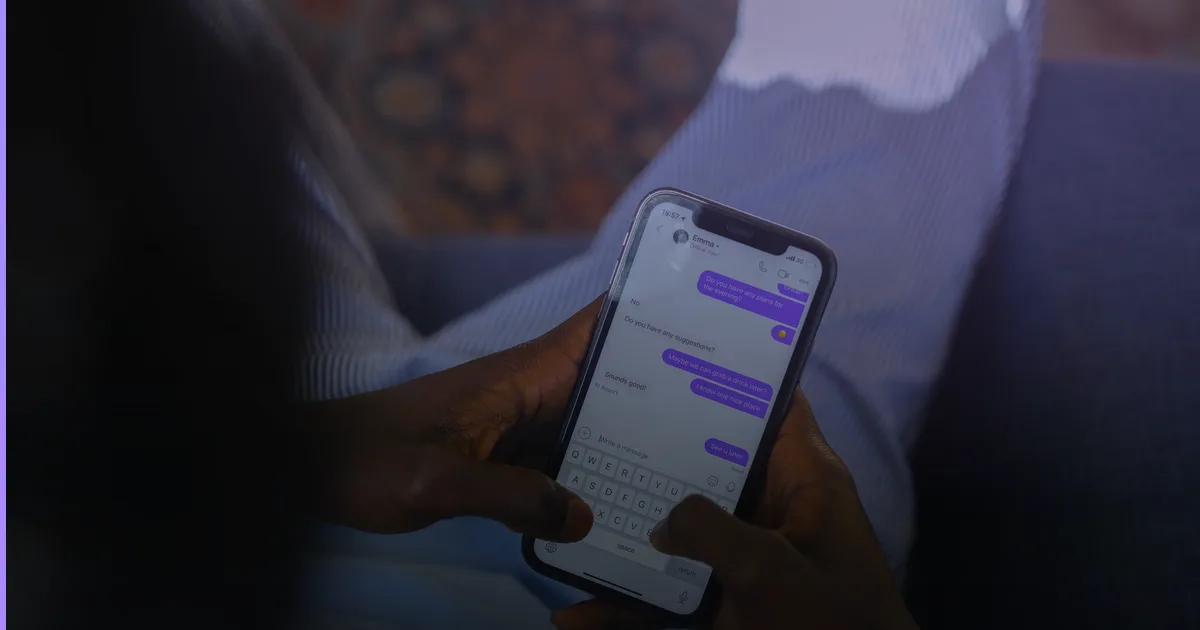
If you run a business in Uzbekistan and customers keep asking “do you have a Telegram?”, you already know the answer to where your next sales channel should live. A Telegram bot for business Uzbekistan owners actually use isn’t a gimmick — it’s the storefront, order desk, and support line rolled into one app your customers already open dozens of times a day.
This guide walks through what a Telegram bot can realistically do for a Tashkent café, a Samarkand retailer, or a nationwide delivery service, what it costs, which payment and CRM tools it should plug into, and how to avoid the mistakes that turn a promising bot into an abandoned one.
Why Telegram, specifically, in Uzbekistan?
Uzbekistan is one of the most Telegram-native markets in the world. Around 27 million people use the app — roughly 76% of the country’s internet users, giving Telegram close to 95% reach among people who could plausibly be your customers. WhatsApp and Viber exist here, but they are minor channels by comparison. If you’re choosing where to build your digital front door, Telegram is not “an option” — it’s the default.
That’s why so much local automation, from food delivery to appointment booking, is built as a bot rather than a mobile app or a website. Customers don’t need to download anything new; they just open a chat they already have open.
What can a Telegram bot actually do for your business?
A well-built bot typically covers some combination of:
- Catalog and ordering — browse products or services, add to cart, place an order without leaving the chat
- Payments — accept Payme, Click, or Uzum Bank directly inside the conversation
- Appointment or table booking — real-time availability, confirmations, reminders
- Customer support — FAQ answers, order status, human handoff when needed
- CRM sync — every conversation and order logged into amoCRM, Bitrix24, or IOTA.uz
- Broadcast marketing — promotions and updates sent to opted-in subscribers
Food-delivery and online-retail businesses in Tashkent frequently report that Telegram bots drive 40% or more of their monthly turnover — not as a side channel, but as the primary sales engine, precisely because there’s no friction between “I want this” and “I paid for this.”
Where AI fits in
The bots that convert best aren’t rigid menu trees. Adding a language model layer lets the bot understand free-text questions in Uzbek or Russian, recommend products, and resolve simple support issues without a human. If you’re comparing how much intelligence to add, our guide on adding a real brain to your Telegram bot with AI breaks down where a simple decision tree ends and a genuine AI agent begins.
Payments: what to actually integrate
Uzbekistan’s payment landscape is concentrated, which is good news — you don’t need ten integrations, you need three.
| Provider | Position | Notes |
|---|---|---|
| Payme | Most popular, 10M+ users | Default choice for most bots |
| Click | Second most used | Strong alternative/backup rail |
| Uzum Bank | Fast-growing | Increasingly requested by younger customers |
| UzCard / Humo | Card rails | Usually routed through the above providers |
Most development studios, including ours, build on libraries like PayTechUZ that unify Payme, Click, and Uzum Bank behind one interface, so you’re not maintaining three separate payment integrations long-term. All prices inside the bot should be shown in so’m, never in dollars — customers expect local pricing, not conversions.
What does a Telegram bot cost in Uzbekistan?
Pricing depends entirely on scope. As a rough guide:
- Simple informational/FAQ bot: 500,000–1,500,000 so’m
- Ordering + payment bot: 1,500,000–5,000,000 so’m
- CRM-integrated or AI-agent bot: from 5,000,000 so’m
- Ongoing support/maintenance: from roughly $50/month
A focused bot MVP is typically a matter of weeks, not months — the complexity comes from integrations (payments, CRM, inventory), not from Telegram itself. For a deeper breakdown of what drives these numbers, see our dedicated piece on how much a Telegram bot actually costs in Uzbekistan.
Bot vs. website vs. app: which do you actually need?
This is the question we get asked most often, and the honest answer is “it depends on your customer’s habit, not your preference.” If your customers are already comfortable messaging you on Telegram to place orders, a bot will almost always out-convert a website, simply because it removes a step. If you need a browsable public presence for SEO or trust-building (someone searching your brand on Google), a lightweight site alongside the bot often wins. We cover the decision framework in detail in Telegram bot vs. website: which does your business need.
A simple launch checklist
- Define the 3–5 things customers most often ask or order
- Pick one payment provider to start (Payme is the safe default)
- Decide where orders land — a CRM like amoCRM, or a simple admin panel
- Write your bot’s tone of voice — Uzbek, Russian, or both
- Set up a human handoff path for anything the bot can’t resolve
- Test the full order-to-payment flow yourself before launch
- Plan a first broadcast to existing customers announcing the bot
The government tailwind
This isn’t happening in a vacuum. Following the October 2024 presidential decree and the AI Strategy 2030, Uzbekistan has committed over $50 million to AI infrastructure, expanded IT Park (now 2,000+ resident companies) with real tax perks, and set a goal of training a million AI specialists. Fintech, retail, and logistics are named priority sectors — exactly where Telegram commerce bots live. Building now, rather than later, puts you ahead of competitors who are still doing everything by phone and DM.
Frequently Asked Questions
Do I need a developer, or can I build a bot myself with no-code tools? Simple FAQ bots can be assembled with no-code builders. The moment you need real payments, CRM sync, or AI-driven conversation, a custom-built bot from a development team typically pays for itself in reliability and conversion within the first few months.
Can the bot handle both Uzbek and Russian customers? Yes — this is one of the strongest reasons to invest in an AI layer rather than a static menu. Modern language models handle Uzbek and Russian well, letting the bot serve each customer in their own language automatically.
How long does it take to launch a Telegram bot? A focused MVP — catalog, ordering, one payment provider — is typically a matter of weeks. Timelines stretch when you add deep CRM integration, inventory sync, or a custom AI agent.
What happens after launch — does the bot need ongoing work? Yes, budget for light ongoing support (roughly from $50/month) for payment provider updates, Telegram API changes, and small feature requests as your business grows.
Where to go from here
A Telegram bot is one of the highest-leverage things a business in Uzbekistan can build this year — but the difference between a bot customers love and one they abandon comes down to scope, payment reliability, and whether it actually understands what people are asking. If you want to see examples of what we’ve built or talk through what your bot should include, take a look at our services and recent work, then get in touch to scope your project.
Building something like this?
Fera Tech ships iOS & full-stack apps end-to-end. Tell us about your project.
Start a project