AI Automation for Clothing and Fashion Boutiques in Uzbekistan
AI automation for clothing and fashion boutiques in Uzbekistan: Telegram catalogue bots, CRM, and AI agents that cut manual work and lift sales.

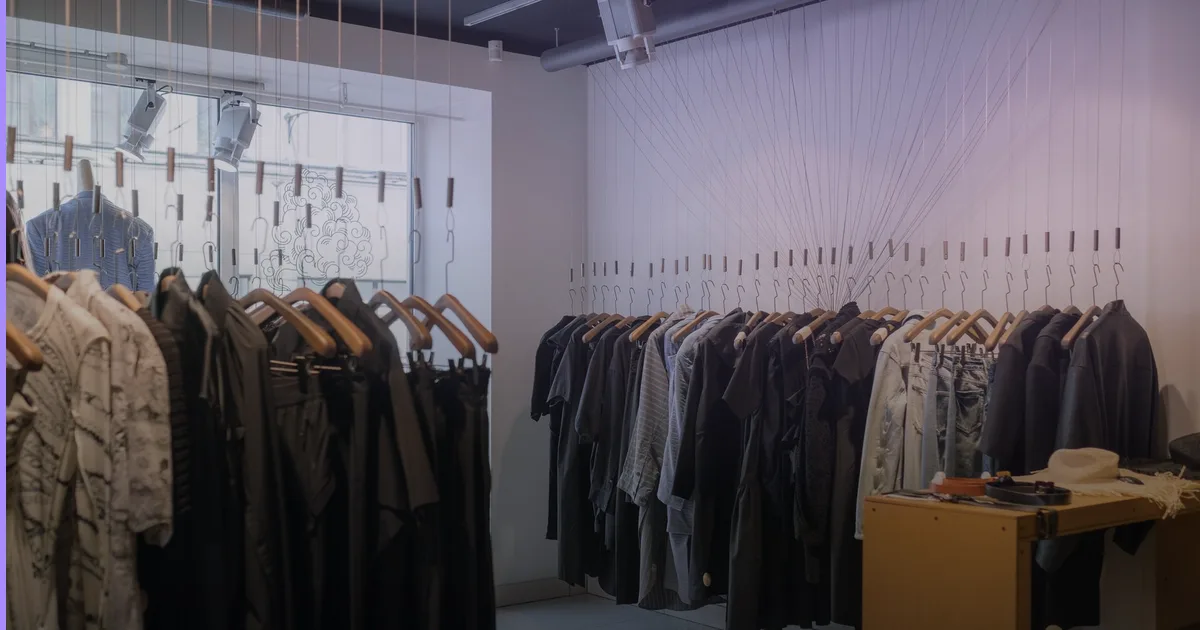
If you own a clothing boutique in Tashkent, Samarkand, or Bukhara, you already know the daily friction: a customer messages on Instagram asking “do you have this in size 42,” a sales assistant has to walk to the rack to check, and by the time an answer comes back the customer has moved on. AI automation for clothing and fashion boutiques in Uzbekistan solves exactly this — turning size checks, order taking, and repeat-customer follow-up into something a bot and a CRM handle in seconds, not minutes.
This guide is written for boutique owners, not developers. It covers what actually gets built, what it costs in so’m, and how to avoid overpaying for a system with features you’ll never touch.
The problem boutiques actually have
A clothing boutique’s bottleneck is rarely traffic — it’s answering the same questions over and over across Instagram DMs, Telegram, and phone calls: sizes in stock, new arrivals, delivery to Samarkand or Bukhara, and “can I pay with Payme.” A single sales assistant juggling three channels loses orders, especially during a sale or a new collection drop when messages spike.
Automation removes the repetitive 80% — stock checks, catalogue browsing, payment collection — so your staff spend their time on styling advice and closing sales, the part that actually needs a human.
Why Telegram is the channel, not Instagram DMs alone
Uzbekistan is a Telegram-first market: roughly 27 million users, about 76% of internet users, with reach near 95%. Instagram is where customers discover your collection; Telegram is where they should complete the purchase. A boutique bot built on Telegram can:
- Show a live catalogue with photos, sizes, colours, and prices in so’m
- Let a customer filter by size or category without messaging a human
- Take the order and delivery address directly in the chat
- Accept payment via Payme, Click, or Uzum Bank inside the conversation
- Notify the customer when an item is back in stock
What a good boutique bot does not do
It doesn’t replace your Instagram presence or your sales assistants’ styling advice. It removes the “let me check” delay so a customer gets a size/stock answer in seconds instead of waiting for someone to walk to the stockroom.
CRM: turning one-time buyers into repeat customers
A boutique’s real revenue driver is repeat purchase, not first sale — and that requires remembering who bought what, when, and in what size. Most Uzbek retailers run this on amoCRM or Bitrix24, connected to the Telegram bot so every conversation and order lands automatically in one customer card. For inventory and accounting, 1C or MoySklad track stock across a single boutique or several branches so you’re never selling a size that’s already gone.
With CRM in place you can:
- Segment customers by purchase history and send a “new collection” message to past buyers of a specific category
- Track which items sell fastest by size and colour, and reorder before you run out
- See lifetime value per customer instead of guessing who your best clients are
Retailers who connect Telegram ordering to a CRM typically see sales lift around 30%, simply because follow-up and reordering stop depending on someone’s memory.
AI agents: styling advice and upsell at scale
Beyond order-taking, an AI agent trained on your catalogue and past conversations can answer style questions (“what goes well with this jacket”), suggest a complementary item at checkout, and handle both Uzbek and Russian naturally — because a real boutique customer base speaks both, and a good AI assistant should serve each in their own language rather than defaulting to one.
Case studies from Central Asian retail suggest AI-assisted sales conversations make staff roughly 40% more efficient, mostly by handling the repetitive questions so a human closes higher-value conversations. For a deeper look at how these agents are built and priced, see this complete guide to AI agents for business in Uzbekistan.
What it costs — real price bands in so’m
Boutique owners searching for pricing deserve real numbers, not “contact us for a quote.” These are typical ranges for the Uzbek market:
| System | What it does | Typical price (so’m) |
|---|---|---|
| Simple Telegram catalogue bot | Menu of items, basic FAQ, no payment | 500 000 – 1 500 000 |
| Ordering + payment bot | Full catalogue, cart, Payme/Click/Uzum Bank checkout | 1 500 000 – 5 000 000 |
| CRM-connected AI agent bot | Order bot + amoCRM/Bitrix24 sync + AI styling/upsell | from 5 000 000 |
| Custom AI agent (multi-channel, inventory-aware) | Full stack across Telegram, CRM, inventory | from 5 000 000, scoped per feature |
| Ongoing support & updates | Bug fixes, small features, monitoring | from ~$50/month |
A focused MVP — catalogue bot plus payment — is realistically a matter of weeks, not months. Building the full stack, CRM sync, and inventory integration takes longer but doesn’t need to happen all at once.
A practical rollout checklist
- Move your catalogue into a Telegram bot with live stock and pricing in so’m
- Connect Payme, Click, and Uzum Bank so checkout happens in-chat
- Sync the bot to amoCRM or Bitrix24 so every order creates a customer record
- Connect inventory in 1C or MoySklad so the bot never sells a sold-out size
- Add an AI layer for styling questions and upsell suggestions, in Uzbek and Russian
- Set up a simple loyalty or “new arrivals” broadcast to past buyers
How this compares to other retail automation
Clothing boutiques share a lot with general retail automation, but sizing, seasonal collections, and style-based upsell make them a distinct case. If you run a broader retail operation, this guide to AI automation for retail shops in Uzbekistan covers the wider picture, and if you’re weighing Telegram bots specifically, this breakdown of Telegram bot and CRM setups for retail is a useful companion. For the national context — government backing, market size, adoption trends — see this 2026 state-of-market report on AI and automation in Uzbekistan.
Frequently Asked Questions
Do I need a mobile app for my boutique? Usually not. In a Telegram-first market, a bot reaches customers where they already are and costs a fraction of an app, both to build and to get discovered.
Can the bot handle both Uzbek and Russian customers? Yes — a well-built AI layer detects and responds in the customer’s language, which matters for a boutique customer base that genuinely mixes both.
What if I sell across Instagram, Telegram, and a physical store? A CRM connected to all three keeps one customer record regardless of channel, so a walk-in and a Telegram order from the same person aren’t treated as two different customers.
How is this different from a restaurant or general retail bot? Similar plumbing — restaurant automation and restaurant Telegram/CRM setups tackle menus and delivery, while a boutique bot is built around sizes, colours, and style-based upsell instead.
Getting started
The government’s push behind this shift is real: following the October 2024 presidential decree and the AI Strategy 2030, IT Park now hosts over 2,000 companies with tax incentives specifically to accelerate this kind of automation across retail and fintech. For a boutique owner, that means the tools and expertise are more accessible in Uzbekistan than they were two years ago.
If you’re weighing what a Telegram catalogue bot, CRM, or AI styling agent would look like for your boutique specifically, take a look at Fera Tech’s services and past work, then get in touch to talk through your setup.
Building something like this?
Fera Tech ships iOS & full-stack apps end-to-end. Tell us about your project.
Start a project