AI Automation for Clinics and Medical Centers in Uzbekistan
How Tashkent clinics use AI automation for clinics and medical centers Uzbekistan to cut no-shows, book on Telegram, and collect payments faster.

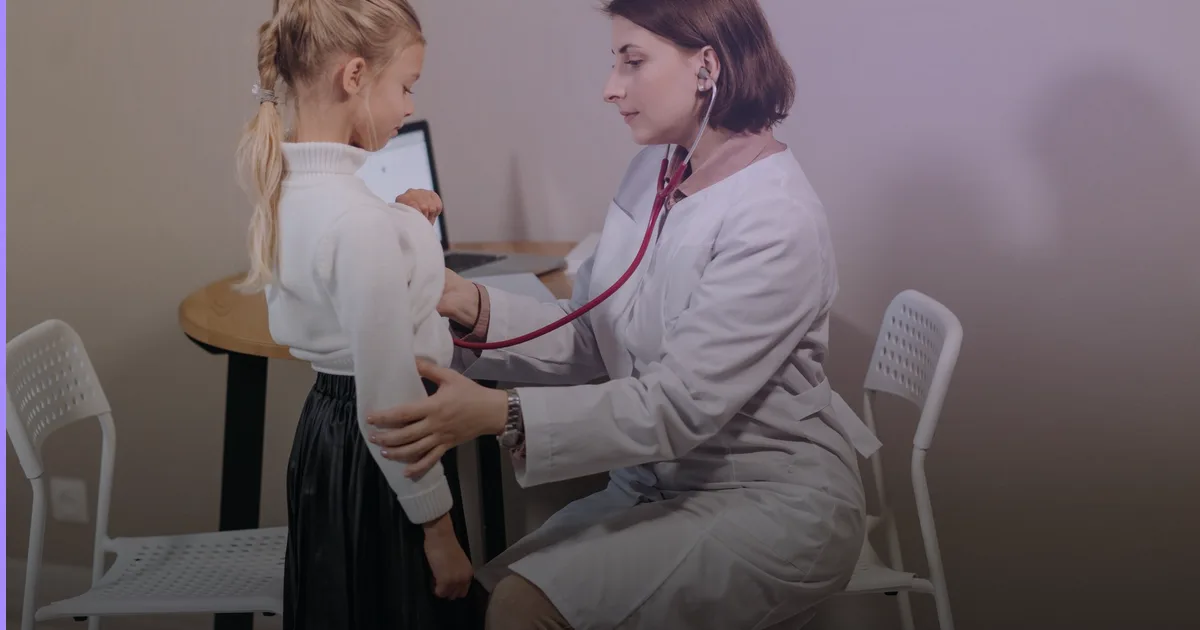
A clinic administrator in Tashkent spends half her day on the phone: confirming appointments, answering the same three questions about prices, and chasing patients who booked but never showed up. Meanwhile the doctor’s schedule has gaps that could have been filled by someone on the waiting list. This is the exact problem AI automation for clinics and medical centers Uzbekistan is built to solve — not by replacing staff, but by taking the repetitive 80% of front-desk work off their plate.
The clinics that get this right aren’t necessarily the biggest ones. They’re the ones that moved booking, reminders, and payment collection onto Telegram, where patients already are, and let an AI assistant handle the routine questions in Uzbek and Russian around the clock.
Why Telegram is the front door for clinics now
With roughly 27 million users in Uzbekistan — about 76% of internet users and near 95% reach — Telegram is not a “nice to have” channel for a clinic, it’s the default one. A patient in Samarqand or Tashkent expects to message a clinic the same way they message a friend: quick text, maybe a voice note, and an instant reply. WhatsApp and Viber play a minor role here, so building a bot-first flow on Telegram reaches almost everyone your clinic serves.
A well-built Telegram bot for a clinic typically handles:
- Appointment booking by doctor, specialty, or available slot
- Automatic reminders 24 hours and 2 hours before the visit
- FAQ answers (working hours, prices, required documents, address)
- Rebooking and cancellation without a phone call
- Post-visit follow-ups and simple satisfaction checks
The no-show problem, and what actually fixes it
No-shows are the single biggest hidden cost in a clinic’s schedule — an empty slot that could have earned revenue and helped another patient. Manual phone reminders help, but a receptionist can only call so many people a day. Automated Telegram reminders, sent at the right intervals with a one-tap “confirm” or “reschedule” button, close this gap without adding headcount.
In market patterns seen across Tashkent service businesses, automation of this kind removes around 80% of the routine manual work involved in confirming and rescheduling — freeing staff to handle the harder, human parts of patient care: triage, complex questions, in-person service.
Where AI adds a layer beyond a simple bot
A basic reminder bot is useful. An AI agent layered on top is where things change meaningfully:
- Understands free-text questions (“Do you work on Sundays?”, “Bolam uchun pediatr bormi?”) instead of forcing users through rigid button menus
- Triage-style pre-screening: asks a few structured questions before booking, so the right doctor gets the right patient
- Handles Uzbek and Russian naturally in the same conversation, switching as the patient does
- Escalates to a human staff member the moment a question is medical, sensitive, or outside its script
This is consistent with a broader pattern reported across sectors: AI-assisted staff tend to work roughly 40% more efficiently, because the AI absorbs the repetitive first-line conversation and humans handle judgment calls.
Payments: making it easy to pay without a front-desk queue
Uzbekistan’s payment landscape is concentrated: Payme leads with 10M+ users, Click is a strong second, and Uzum Bank is growing fast — together with UzCard/Humo card rails, these cover well over 90% of the market. A clinic that lets patients pay a consultation fee or deposit directly inside the Telegram flow (via Payme or Click integration, often unified through libraries like PayTechUZ) removes a whole queue at the front desk and reduces last-minute cancellations, since a small paid deposit meaningfully changes patient behaviour.
Typical price bands for this kind of build
| Automation scope | Typical cost (so’m) | What it covers |
|---|---|---|
| Simple Telegram booking bot | 500,000 – 1,500,000 | Slot booking, reminders, FAQ |
| Booking + payment bot | 1,500,000 – 5,000,000 | Above + Payme/Click deposit collection |
| CRM/AI-agent bot | 5,000,000+ | Free-text AI triage, CRM sync, multi-doctor routing |
| Custom AI agent | from ~5,000,000 | Tailored intake logic, escalation rules, analytics |
| Ongoing support | from ~$50/mo | Monitoring, updates, small fixes |
These are ranges, not fixed quotes — actual cost depends on number of doctors, integrations (CRM, 1C/MoySklad for billing), and how much free-text understanding the AI layer needs.
Connecting the bot to a CRM, not just a chat window
A bot that books appointments but never talks to a CRM creates a second silo of information. Clinics that get durable results connect Telegram to amoCRM (the dominant CRM in the local market) or Bitrix24, so that every booking, no-show, and follow-up becomes a record the front desk and doctors can see. Larger networks with several branches sometimes also plug in Sipuni or OnlinePBX for call tracking alongside the bot. The pattern reported across CRM adopters generally: sales and patient retention rise around 30% once follow-up stops depending on someone remembering to call back.
- Map out your patient journey: first contact, booking, reminder, visit, follow-up
- Decide which steps can move to Telegram without losing the human touch
- Choose a CRM that your reception team will actually use daily
- Pick a payment provider (Payme, Click, or both) for deposits
- Define exactly when the AI should escalate to a human
Government tailwind: this isn’t a niche bet
Uzbekistan’s October 2024 presidential decree and the resulting AI Strategy 2030 put over $50M into AI infrastructure, expanded IT Park’s tax perks to 2000+ member companies, and named healthcare as one of the priority sectors for AI adoption alongside fintech and retail. Clinics automating now are riding a tailwind, not experimenting against the grain — the same public push is what’s pulling other verticals, as covered in our broader look at the 2026 state of AI and business automation in Uzbekistan.
If you want a wider view of how service businesses generally approach this — restaurants included — see how restaurants in Uzbekistan are automating booking, orders, and CRM, and the parallel patterns in our Telegram bot and CRM guide for restaurants. Retail businesses face a similar shift too — our piece on AI automation for retail shops in Uzbekistan covers the retail side of the same story.
For clinics deciding between a simple bot and a fuller AI agent, our complete guide to AI agents for business in Uzbekistan and our complete guide to Telegram bots for business walk through the decision in more depth.
Frequently Asked Questions
Does an AI bot replace the receptionist? No. It absorbs the repetitive first-contact work — booking, reminders, FAQs — so the receptionist has time for patients who need real attention, complex cases, and in-person coordination.
Can the bot really understand Uzbek and Russian equally well? Modern AI models handle both languages naturally in the same conversation, switching as the patient does, which matters given how many Uzbek clinics serve a genuinely bilingual patient base.
How long does a project like this take? A focused MVP — booking, reminders, one payment provider — is typically a matter of weeks, not months. Fuller CRM and AI-agent integrations take longer depending on scope.
What if our clinic already uses 1C or MoySklad? That’s fine — the automation layer is usually built to sync with existing accounting and inventory tools rather than replace them.
Fewer no-shows, faster bookings, and a front desk that isn’t buried in repeat phone calls — that’s the realistic payoff of doing this well. Take a look at our services to see how we approach these builds, or explore our work for examples of similar automation projects. If you’re considering this for your clinic, get in touch and we’ll talk through what fits your patient volume and budget.
Building something like this?
Fera Tech ships iOS & full-stack apps end-to-end. Tell us about your project.
Start a project