Telegram Bot CRM for Hotels: More Leads, Less Manual Work
A Telegram bot CRM for hotels in Uzbekistan cuts manual booking work, answers guests instantly, and turns chats into paying reservations.

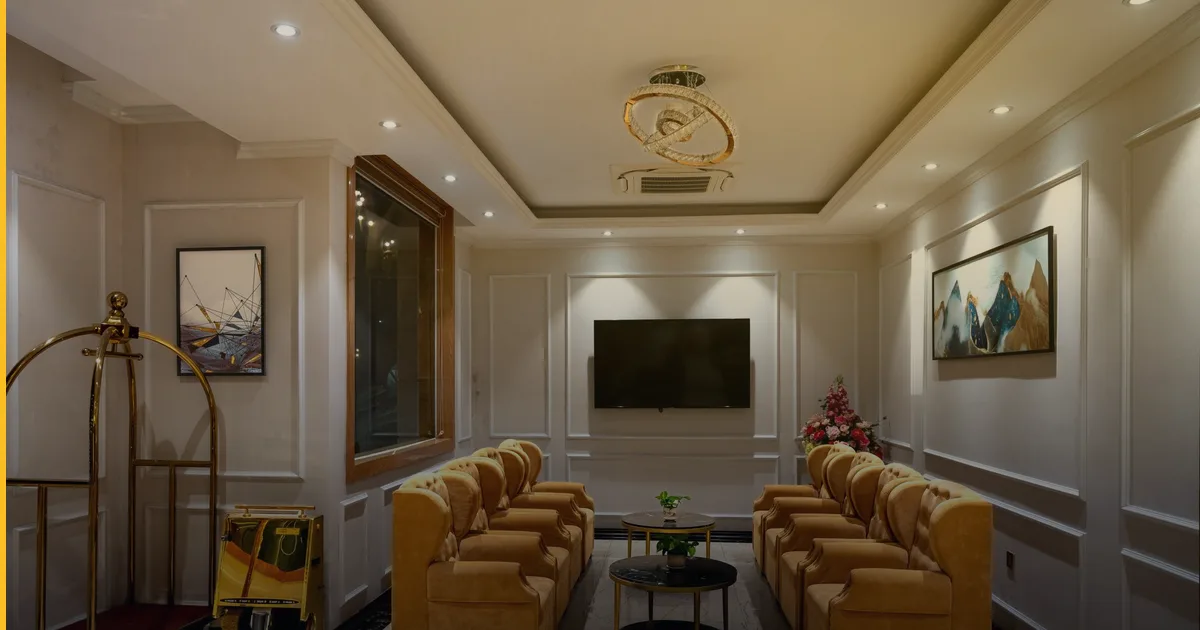
If you run a hotel or guesthouse in Tashkent, Samarkand, or Bukhara, your front desk phone rings during check-in rush, WhatsApp and Telegram messages pile up overnight, and half your booking requests arrive after hours when nobody is there to answer. A Telegram bot CRM for hotels and guesthouses fixes exactly this: guests ask about rooms, dates, and prices in a chat that never sleeps, and every reply, booking, and payment lands automatically in a CRM your staff can actually use.
The pattern is simple once you see it: Telegram is where your guests already are, so the booking flow should live there too — not force them onto a separate app or a clunky web form. Pair that chat channel with a CRM, and your team stops re-typing the same guest details into spreadsheets three times a day.
Why hotels in Uzbekistan are moving booking chats to Telegram
Telegram reaches roughly 27 million people in Uzbekistan — about 76% of the country’s internet users, close to 95% coverage among smartphone owners. For a hotel, that means nearly every guest inquiring about a stay in Tashkent or planning a weekend trip to Samarkand already has the app open. WhatsApp and Viber see far less local traffic. A booking bot built for Telegram meets guests exactly where they are, instead of asking them to download something new just to check room availability.
The real cost of manual booking management
Front-desk staff juggling phone calls, Telegram DMs, Instagram comments, and walk-ins tend to lose track of who asked what. A guest asks about a family room for three nights, gets a reply an hour later, and books elsewhere in the meantime. Industry patterns suggest automation removes roughly 80% of this kind of routine manual work — checking calendars, copying guest names, chasing payment confirmations — freeing staff to handle the guests standing in front of them.
What a Telegram bot + CRM actually does for a hotel
A well-built setup typically covers:
- Instant answers to room type, price, and availability questions, day or night
- A booking flow inside the chat: dates, room, guest count, and a deposit request
- Automatic payment collection via Payme, Click, or Uzum Bank — the three payment rails that cover the large majority of transactions in Uzbekistan
- Every conversation and booking logged into a CRM such as amoCRM or Bitrix24, so nothing lives only in someone’s phone
- Automated reminders: pre-arrival messages, check-out reminders, review requests after checkout
- Multilingual replies in Uzbek, Russian, and English, since guests write in whichever language they’re comfortable with
A typical guest journey, before and after
| Step | Manual process | Bot + CRM process |
|---|---|---|
| Guest asks about a room at 11pm | No reply until morning | Instant answer with price and photos |
| Booking confirmed | Staff writes it on a notepad or in Excel | Logged automatically in CRM with guest contact |
| Deposit payment | Guest asked to transfer manually, staff checks bank app | Payme/Click link sent in chat, confirmed automatically |
| Reminder before arrival | Often forgotten | Sent automatically 24-48 hours ahead |
| Post-stay review request | Rarely sent | Automated message with a review link |
For guesthouses and small hotels, this alone often means the difference between a guest who books and one who moves on to a competitor who answered faster.
Why the CRM layer matters as much as the bot
A Telegram bot alone answers questions. Without a CRM behind it, a hotel with more than a handful of rooms quickly loses track of which guest is arriving when, who still owes a deposit, and who’s a repeat visitor worth a discount. Connecting the bot to amoCRM — the dominant CRM choice among Uzbekistan businesses — or Bitrix24 turns scattered chats into a pipeline: new inquiry, quoted, deposit paid, confirmed, checked out. Staff see the whole guest history in one place instead of scrolling through old messages.
For a broader comparison of these two platforms and which fits different business sizes, see this guide to choosing between amoCRM and Bitrix24.
Checklist: is your hotel ready for a booking bot?
- Guests already message you on Telegram, Instagram, or WhatsApp asking about rooms
- Front-desk staff spend real time each day copying booking details between channels
- You’ve lost bookings to slow replies during busy check-in hours or overnight
- You take deposits or full payment before arrival and want it automated
- You want repeat guests recognized and offered loyalty pricing automatically
If two or more apply, a focused bot + CRM setup usually pays for itself within a season.
What this typically costs and how long it takes
Pricing depends on scope, but rough market bands for Uzbekistan in 2026 look like this:
- A simple Telegram inquiry bot (FAQ, availability, contact capture): 500,000–1,500,000 so’m
- A booking + payment bot (dates, rooms, deposit via Payme/Click/Uzum Bank): 1,500,000–5,000,000 so’m
- A full CRM-integrated bot with guest history, staff dashboard, and automated reminders: from 5,000,000 so’m
- Ongoing support and updates: from roughly $50/month
A focused MVP — booking bot connected to a CRM — is typically a matter of weeks, not months, when scoped tightly around one clear guest journey rather than every possible feature at once.
How this fits the wider push toward automation in Uzbekistan
This isn’t an isolated trend. Following the 2024 presidential decree and the AI Strategy 2030, with over $50 million committed to AI infrastructure and IT Park hosting more than 2,000 registered companies, hospitality is one of several sectors where automation is moving from “nice to have” to standard practice. Restaurants are following the same playbook — see how Telegram bots and CRM tools are reshaping restaurant operations — and retail shops are seeing similar gains, detailed in this look at AI automation for retail shops in Uzbekistan.
For a wider view of where the market stands overall, this 2026 state-of-market report on AI and business automation in Uzbekistan is a useful starting point, and the complete guide to Telegram bots for business covers the fundamentals if you’re building your first one.
Frequently Asked Questions
Do guests need to install a separate app to book through Telegram? No — that’s the point. Guests already have Telegram installed; the booking flow happens inside a chat they open naturally, with no new download.
Can the bot handle both Uzbek and Russian guests? Yes. A properly configured bot detects or asks for language preference and replies naturally in Uzbek, Russian, or English, matching how the guest writes.
What happens if a guest wants to talk to a human? Good bot design always includes an escalation path — a “talk to reception” option that hands the conversation to staff inside the same CRM thread, so context isn’t lost.
Is this only for large hotels? No — guesthouses and small boutique hotels often see the fastest payoff, since a single missed late-night inquiry is a larger share of their monthly bookings than for a large chain.
If your hotel or guesthouse is losing bookings to slow replies or buried in manual admin work, it’s worth a short conversation about what a focused bot and CRM setup would look like for your property. Take a look at Fera Tech’s services or browse recent work, then get in touch to talk through your specific booking flow.
Building something like this?
Fera Tech ships iOS & full-stack apps end-to-end. Tell us about your project.
Start a project