Telegram Bot CRM for Wholesale and Distribution in Uzbekistan
How wholesale and distribution firms in Uzbekistan use a Telegram bot CRM to capture more B2B leads and cut manual order-taking work.

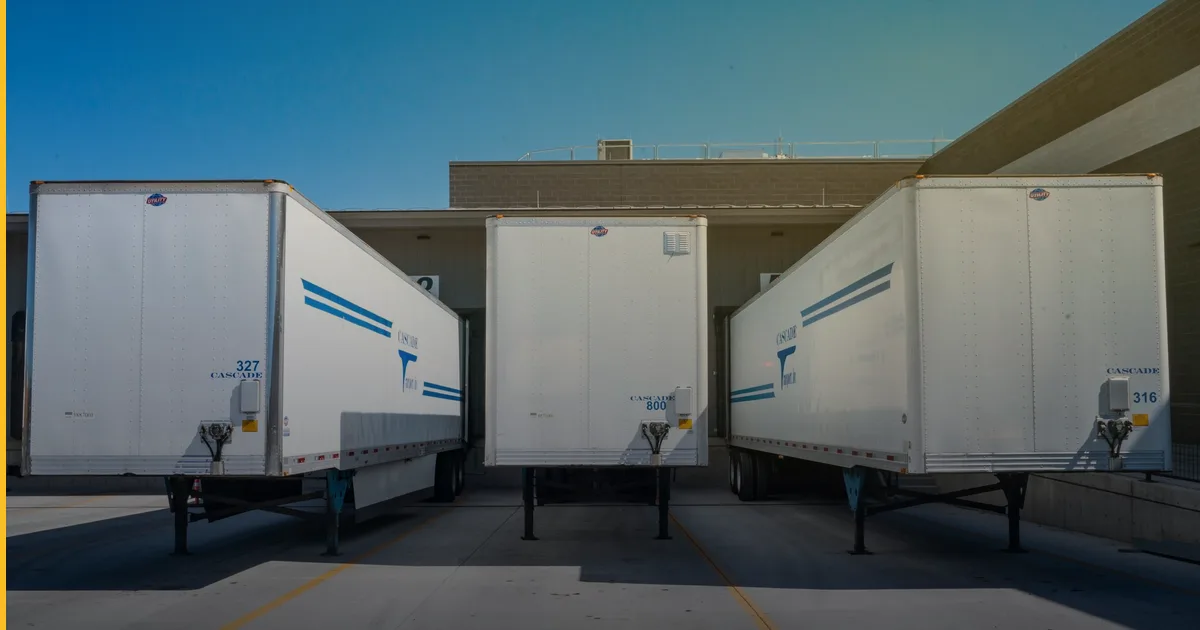
If you sell wholesale in Uzbekistan, your day probably looks like this: a dozen Telegram chats with retailers, half-remembered prices quoted from memory, an Excel sheet for stock that’s already out of date, and an accountant chasing someone for a payment confirmation. A Telegram bot CRM for wholesale and distribution replaces that chaos with one system: retailers order where they already message you, and every order, price, and payment lands automatically in a CRM your sales team actually uses.
This isn’t about adding more software for its own sake. Distributors in Tashkent, Samarqand, and regional hubs are quietly moving order intake off phone calls and personal chats and onto a structured bot, because the alternative — a sales manager retyping the same order into a notebook and then into 1C — doesn’t scale past a handful of clients.
Why Wholesale Businesses in Uzbekistan Are Automating Order Intake
Wholesale is relationship-driven, but the paperwork behind it doesn’t need a human for every step. A typical distributor juggles:
- Repeat B2B clients who reorder the same products weekly or monthly
- Price lists that change by volume, client tier, or season
- Stock levels tracked in 1C or MoySklad, disconnected from how orders actually arrive
- Payment confirmation via bank transfer, Payme, or Click, tracked manually in a chat thread
Telegram reaches around 27 million users in Uzbekistan — roughly 95% of the country’s internet users — so retailers and shop owners are already on it. A wholesale bot meets them there instead of asking them to learn a new B2B portal they’ll never open twice.
What a Wholesale Ordering Bot Actually Does
A well-built bot for distribution typically covers:
- Client-specific price lists (wholesale tiers, discounts by volume)
- Product catalogue with stock status synced from 1C/MoySklad
- Repeat-order shortcut (“reorder last week’s list” in one tap)
- Minimum order quantity and volume-discount logic built in
- Payment link or confirmation flow via Payme/Click, or invoice for bank transfer
- Order status pushed automatically to the client and to the sales manager
Market patterns among Tashkent distributors show this kind of setup often removing 70–80% of the manual re-entry work a sales team used to do per order — not because the bot replaces the salesperson, but because it removes the typing between “client wants X” and “warehouse and accounting know about X.”
How the Bot Connects to Your CRM
The bot itself is only half the system. Without a CRM behind it, you’ve just moved chaos from Telegram into a slightly tidier Telegram. The value comes from what happens after an order lands.
In Uzbekistan, the CRM layer for a setup like this is almost always amoCRM (the dominant choice for sales-driven businesses) or Bitrix24 (stronger where operations and document flow matter more). Both integrate cleanly with Telegram bots and with 1C for stock and accounting. For a full breakdown of how the two compare for a business like yours, see our amoCRM vs Bitrix24 guide for Uzbekistan businesses.
Once connected, a wholesale bot + CRM combination typically does this:
- Retailer places or repeats an order in the bot.
- Order, client, and totals sync into the CRM as a deal or transaction.
- Sales manager sees the order without asking the client to repeat anything.
- Stock decrements in 1C/MoySklad; payment status updates from Payme/Click webhooks.
- Repeat clients get tagged, so upsell and re-engagement campaigns target the right list.
This is the same underlying mechanic that works for other verticals — see how it plays out for restaurants running Telegram bot CRM for orders and bookings, or the broader pattern in our complete guide to Telegram bots for business in Uzbekistan. Wholesale simply has larger order sizes, more SKUs, and stricter payment terms.
Pricing: What This Actually Costs in So’m
Buyers researching this usually want ranges, not vague promises. Here’s roughly where a project like this lands, based on scope:
| Scope | Typical price band (so’m) | What’s included |
|---|---|---|
| Simple order-intake bot | 1 500 000 – 5 000 000 | Catalogue, cart, order notification, no payment integration |
| Ordering + payment bot | 1 500 000 – 5 000 000 | Above, plus Payme/Click payment inside the chat |
| CRM/AI-agent bot | 5 000 000+ | Full CRM sync, price tiers, repeat-order logic, stock sync with 1C/MoySklad |
| Custom AI sales agent | from ~5 000 000 | Handles routine client questions, quotes, and order status in Uzbek and Russian |
Ongoing support and small fixes typically run from about $50/month once the bot is live. A focused MVP — catalogue plus ordering plus basic CRM sync — is usually a matter of weeks, not months, if the scope stays disciplined.
Where AI Fits: Beyond Just Order-Taking
Once the ordering flow exists, the same bot can absorb work that currently eats a sales manager’s day: answering “do you have this in stock,” “what’s my price for 500 units,” or “where’s my delivery.” A well-scoped AI layer on top of the bot can field these routine questions in Uzbek or Russian, escalating only what actually needs a human.
Market patterns from businesses that have added this layer show salespeople becoming roughly 40% more efficient — not because AI replaces sales, but because it removes the repetitive part of the job so a person can spend time on the relationships that actually move volume. This fits the national push, too: the government’s AI Strategy 2030, backed by over $50M in AI infrastructure investment and IT Park’s tax incentives for tech companies, is explicitly targeting logistics and retail as priority sectors — wholesale distribution sits squarely in both.
For businesses further down the supply chain, the same logic applies to retail shops automating with AI in Uzbekistan and to restaurants adopting AI automation — see our 2026 state-of-market report on AI and business automation in Uzbekistan for the bigger picture across sectors.
A Realistic Rollout Plan
For a distributor moving off manual order intake, a workable sequence usually looks like this:
- Map your actual order flow — who takes orders now, where prices live, what “confirmed” means for your business.
- Build the catalogue and pricing logic first, even before touching CRM — this is where most of the manual work hides.
- Add payment (Payme/Click) or keep bank transfer with manual confirmation if that’s how your biggest clients pay.
- Connect to amoCRM or Bitrix24, syncing orders as deals so sales has visibility without re-entry.
- Layer in stock sync with 1C/MoySklad once the ordering side is stable.
- Only then add AI for routine questions — it works far better once the data behind it (catalogue, stock, prices) is already structured.
Skipping straight to step 6 is the most common mistake — an AI layer with no clean data behind it just answers questions wrong faster.
Frequently Asked Questions
Do retailers need to install anything? No. They order inside Telegram, the app they already use daily — nothing new to download or learn.
Can the bot handle different prices for different clients? Yes. Tiered pricing by client, volume, or region is standard for a wholesale bot and is usually one of the first things worth building.
What if our stock is in 1C, not a spreadsheet? That’s actually easier — 1C and MoySklad both support integration, so stock status can sync automatically instead of being updated by hand.
Is this only useful for large distributors? No — even a two-person distribution operation benefits, since the main cost being removed is manual re-entry, which scales with order volume, not company size.
Every wholesale operation has a slightly different mix of pricing tiers, payment terms, and stock systems, so the right build looks a little different each time. If you want to talk through what a Telegram bot CRM would look like for your distribution business, see our services and recent work, or get in touch directly via contact.
Use the complete Telegram bot guide for Uzbek businesses for the customer channel and the CRM integration guide for Uzbekistan for pipeline and system choices. To map tiered pricing, stock and payment terms for one pilot, contact Fera Tech.
Building something like this?
Fera Tech ships iOS & full-stack apps end-to-end. Tell us about your project.
Start a project